
Family-owned · Sacramento Local
Mobile Home Sewer Line Installation Service
Sewer line installation, re-piping, and plumbing repairs built around how manufactured homes actually work.
Free estimate
Tell us what you need
Three fields. It reaches a person here, not a call centre.
Mobile Home Sewer Line Installation and Repair
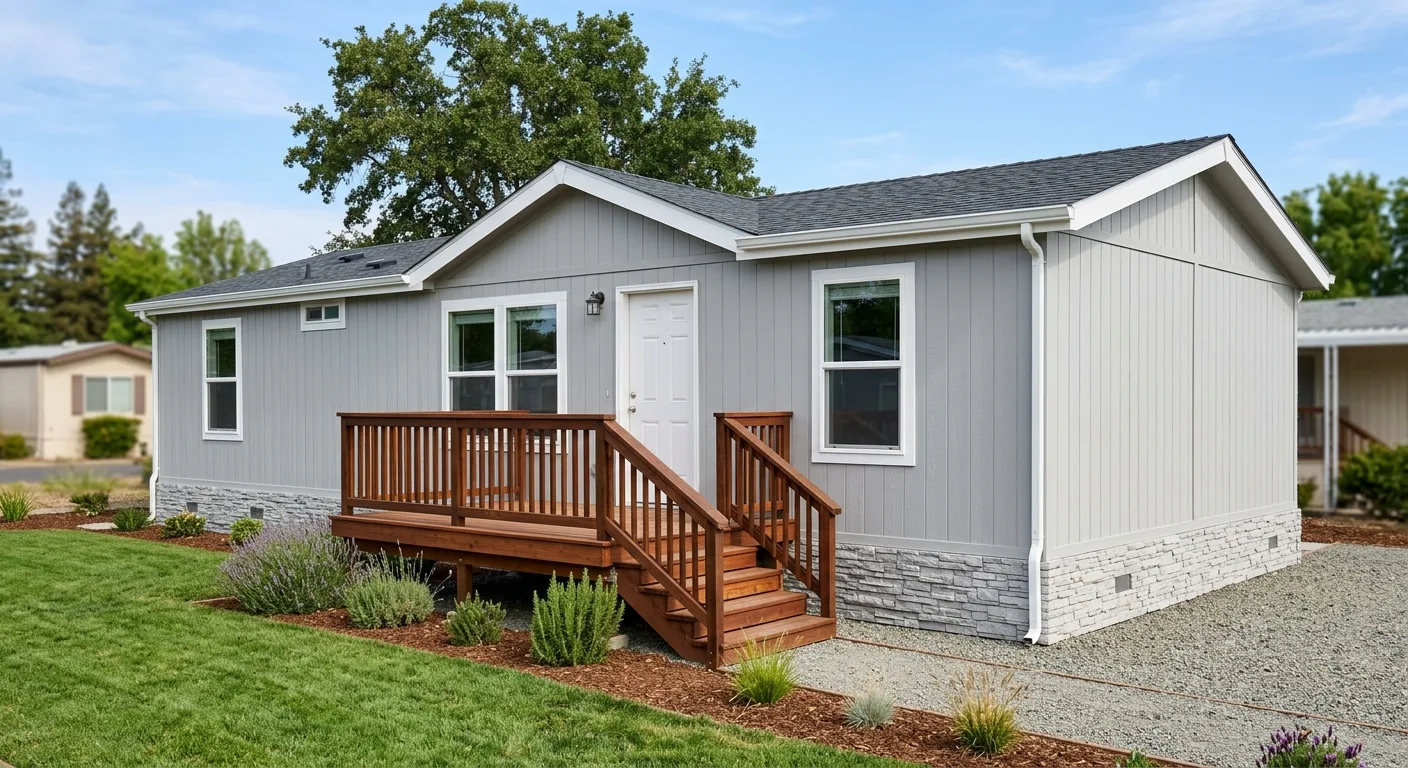
Mobile home sewer line installation is a specialty job, and Certified Plumbing & Drain handles it across the Greater Sacramento area. Most plumbers either skip manufactured homes entirely or treat them like a standard house. They're not. The plumbing runs differently, the access points are different, and the materials underneath often haven't been touched since the home was set on its lot 30 or 40 years ago. We've been doing this work for over 20 years, and we know the difference between a quick patch and a repair that actually holds. Call (916) 706-7460 and we'll give you a straight answer about what your home needs.
Manufactured homes present a specific set of plumbing challenges: belly board access, plastic ABS lines that have aged and cracked, older galvanized supply lines that have corroded from the inside out, and sewer connections that weren't installed to modern specs. The cost of a sewer line installation in a mobile home depends on the length of the run, the condition of the existing belly wrap, the connection point to the park or county sewer, and whether any supports or pier work affects access. If the old line has collapsed or is routed incorrectly, that changes the scope. Every job is different, contact Certified Plumbing & Drain for an accurate estimate.
What Mobile Home Plumbing Actually Requires Actually
Manufactured homes aren't just smaller houses. The plumbing underneath is a different system entirely.
Belly Board Access
The underside of a manufactured home, called the belly, is wrapped in a membrane that has to be cut open to access drain lines. We do it cleanly and re-seal it properly. A lot of contractors don't bother, and moisture gets in.
Sewer Line Installation
Whether you're connecting to a park sewer system or a county lateral, the line has to be sloped correctly, supported, and connected with the right fittings. A bad slope means chronic backups. We size and run the line to last.
Re-Piping Under the Home
Galvanized supply lines in manufactured homes corrode from the inside. You'll notice low pressure first, then rust-colored water, then leaks. We replace old galvanized with durable materials that won't fail in three years. See our full re-piping service for details.
Fixture and Drain Work
Toilets, sinks, shower drains, and tubs in mobile homes are often set differently than stick-built construction. We carry the fittings specific to this type of installation. We also handle garbage disposal installation for manufactured homes that aren't already set up for one.
Water Heater Replacement
Mobile homes use compact or outdoor water heater setups that require specific venting and gas connections. Our water heater repair and installation service covers manufactured home units, including tankless upgrades where space and gas supply allow.
Emergency Leak Response
A burst line under a mobile home can soak the subfloor fast. We offer 24/7 emergency service because waiting until morning isn't an option when water is already inside the walls.
How It Works
Our Process for Sewer Line and Repair Work
- 01
Inspect First
We get under the home and look at what's actually there before we quote anything. The belly, the existing drain routing, the sewer connection point, the supply lines. No guessing from the outside.
- 02
Straight Diagnosis
We tell you exactly what's wrong and what it takes to fix it. If a repair is the right call instead of a full replacement, we'll say so. We don't replace things that don't need replacing.
- 03
Clean Installation
We run the work correctly, re-seal the belly where we opened it, and test before we leave. Upfront pricing, what we quote is what you pay. No surprises added at the end.
Quick Facts
Mobile Home Plumbing: What You Should Know
Structured answers for common questions about manufactured home plumbing systems.
- 01
Belly membrane re-sealing matters
Any plumber who cuts the belly wrap and doesn't re-seal it is setting up the subfloor for moisture damage. Ask specifically if re-sealing is included.
- 02
ABS plastic lines crack with age
Drain lines under older manufactured homes are typically ABS plastic. After 25 to 30 years in a crawl space environment, cracking and joint separation are common. That's not a patch job. It's a re-run.
- 03
Sewer slope is not optional
A mobile home sewer line needs a minimum 1/4 inch of drop per foot of run. If it was installed flat or with a low spot, no amount of clearing will stop the backups permanently.
- 04
Galvanized supply lines have a clock
If your manufactured home still has original galvanized supply lines and it's more than 30 years old, they're corroding internally. Low pressure and discolored water are late symptoms, not early warnings.
Why Most Plumbers Skip Manufactured Homes
Connected Services for Manufactured Homes
Beyond sewer line installation, we handle the full scope of plumbing work for mobile and manufactured homes across the region.
served
- Sewer Line Installation
- Drain Cleaning
- Re-Piping (Galvanized and Copper)
- Water Heater Replacement
- Leak Detection and Repair
- Toilet and Fixture Installation
- Garbage Disposal Installation
- Emergency Plumbing Response
- Bathroom Plumbing Repairs
- Kitchen Plumbing Repairs
Schedule Your Mobile Home Plumbing Inspection
20 years of experience. Upfront pricing. No hidden fees. We answer 24/7.